注册或者登录即代表同意
《版权声明》《使用条款》《软件使用协议》
Registering or logging in means you
have read and agree to the
《Copyright》《Terms and Conditions》《Software Use Agreement》
Login via
注册或者登录即代表同意
《版权声明》《使用条款》《软件使用协议》
Registering or logging in means you
have read and agree to the
《Copyright》《Terms and Conditions》《Software Use Agreement》
Login via
 火龙-蔡子辉 Jeffrey Tse Fai Chua
01:10 24/01/2020
火龙-蔡子辉 Jeffrey Tse Fai Chua
01:10 24/01/2020
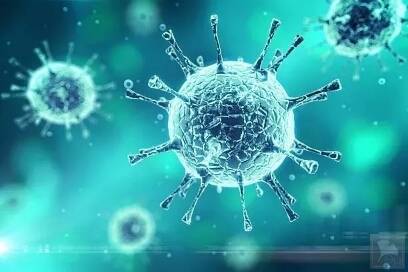
这次新型冠状病毒感染的肺炎疫情已扩散到多个地区和国家。此病属于中医"瘟疫”的范畴, 命名似以"肺疫”、"肺毒疫” 或"肺瘟疫”为宜, 因病灶和病变部位主要首先在肺。明代名医吴又可在中医古藉《瘟疫论》中提到:"瘟疫之为病, 非风非寒, 非暑非湿, 乃天地间别有一种导气所感。这次疫情是源于南方的湖北武汉,在《素问·异法方宜论》有指出: "南方者, 天地所长养, 阳之所盛处也。其地下, 水士弱, 雾露之所聚也, 其民嗜酸而食胕……”。这说明南方地势低弱, 气温火热, 雨水雾露偏多, 天气阴雨连绵, 潮湿雾露就成为南方致病邪气的一个重要因素。在《素问·刺法论》有言: "五疫之至,皆相染易,无问大小,病状相似…”。在这提到疫病按照五运之气的角度进行分类,称为木疫、火疫、土疫、金疫、水疫,总称五疫。五疫虽名不相同,但发病机理是一致。以中医的五运六气推算, 在2019年, 天干之己属阴之土,地支之亥属阴之水,是土水相克。 而2020的推测, 五行属金,地支五行属水,可用金来泻土,同时金可以生水,希望能极大化解土与水的相克。历来中医对瘟疫就有一套独特的理论, 経过长年与疫病对抗中,在临床上已累集了丰富的経验,已取得辉煌的成绩。同时也已认识到疫气往往会与六淫之邪合而为病,因此在中医冶疗时, 不只以駆病毒作为唯一原则,还须要细析辨别所夹杂的不同邪气、病变转异征象、或影响涉及到其他脏腑等。
Novel Coronavirus outbreak has spread to many regions and countries. This disease belongs to the category of "plague" in traditional Chinese medicine, and it seems the name this time is something related to as "pulmonary disease", "pulmonary poisoning" or "pulmonary plague". The primary affected area is mainly on the lungs. Wu Youke, who was a famous doctor of Ming Dynasty period, in his medical literature on 《Plague Theory》 mentioned: “Plague is a disease, not cause by wind or cold, neither summer heat nor humidity, but a kind of substance existed on air between sky and ground." This epidemic was spread first in Wuhan, Hubei, which the location is at the southern part. In the book called 《The SuWen of the Huangdi Neijing (Inner Classic of the Yellow Emperor)-Discussion on treatment varies from one disease to another) 》pointed out: “Those living in the south are raised up under long term environmental factors wherein the place is often in high temperature (yang) with weak ground with water, high humidity covered with fog and dew, and its people are fond of eating sour foods and internal organs... “This indicates that the southern terrain is considerably weak and the temperature is extremely hot, covered by more fog and dampness. The weather is often rainy, that is why dampness or humidity has become an important factor in the evolution and replication of pathogenic evils (virus, bacteria) in the south. In 《SuWen – Dicussion on Needling Techniques》stated: "The five types of epidemics or plaques are the same, which are all contagious, no matter what is the range of the scope or size is, the disease is similar ..." It is categorized according to the perspective in the flow and changes of the five elements in respect to the six pathogenic factors which are wood, fire, earth, metal or water epidemic, the so called "five plagues". Although, these five plagues have different names, but the pathogenesis of each is still the same. According to traditional Chinese medicine theory based on the law of the flow and changes of the five elements in respect to the six pathogenic factors calculation for 2019, the heavenly stem is addressing to the earthly yin and the earthly branch is vested in watery yin. It is sort of contradiction against each other between water and earth. According to the forecast for 2020, in the five elements rotation, it is year of the gold and the earthly branch is vested on water, hoping this gold can be used to ooze the earth or soil. At the same time, gold can produce water to neutralize the situation and resolve the problem. Traditional Chinese medicine has ever since accumulated a wealth of clinical experiences with convincing results based on an already established set of theories in confronting and dealing with plagues all through the centuries of clinical experiences. Knowing that toxic substance which causes plague often will merge with any of the 6 pathogenic factors under TCM pathogenic factors concept in disease formation. That is why the treatment focus is not just by eliminating the toxic substance alone, but also need to differentiate the syndromes and equip with knowledge in controlling the pattern transformation in relation to affect other organs.
根据SARS患者在2003年期间病情发生发展的演变情况, 中国国家中医药管理局对患者病情就进行了分期辨证分型。这与前天22日所发布关于印发新型冠状病毒感染的肺炎诊疗方案(试行第三版)的通知几乎一致。
According to the conditions of SARS patients on disease transformation process during 2003, the State Administration of Traditional Chinese Medicine of China had carried out syndrome differentiation and classification according to its stages which is almost the same as the notice issued on the day before yesterday regarding the issuance of the Guidelines on the Diagnosis and Treatments of Novel Coronavirus Pneumonia (third trial edition).
1. 早期
早期患者以热毒袭肺、湿遏热阻为病机特征。临床上分为热毒袭肺、湿热阻遏、表寒里热挟湿三种证候类型。属热毒袭肺证者, 宜清热宣肺, 疏表通络; 属湿热阻遏者, 宜宣化湿热, 透邪外达; 属表寒里热挟湿证者, 宜解表清里, 宣肺化湿。
1. Early Stage
This is invasion of heated toxic substance attacking the lungs, which is characterized of having heat covered with dampness as its pathogenesis clinically. It is divided into three types based on syndrome differentiation: heated toxic attacking the lungs, dampness suppressing the heat, or external coldness with internal heat and mixing with dampness. Those who belong to the syndrome of having heated toxic attacking the lungs should apply the techniques of depressing the lungs and clearing the heat and also expelling the external pathogens by regulating the meridians. Those who belong to the syndrome of having dampness suppressing with heat should apply the techniques of dispelling dampness and eliminating heat to release out the pathogens. Those who belong to the syndrome of having external coldness with internal heat and mixing with dampness should apply the techniques of relieving superficies and clearing the interior, and depressing the lungs and eliminating dampness.
2. 中期
中期患者以疫毒侵肺, 表里热炽, 湿热藴毒, 邪阻少阳, 疫毒炽盛, 充斥表里为病机特征。临床上分为疫毒侵肺、表里热炽、湿热藴毒, 湿热郁阻少阳 、热毒炽盛四种证候类型。属疫毒侵肺、表里热炽证者, 宜清热解毒, 泻肺降逆; 属湿热藴毒证者, 宜化湿辟秽, 清热解毒; 属湿热郁阻少阳证者, 宜清泄少阳, 分消湿热, 属热毒炽盛证者, 宜清热凉血, 泻火解毒。
2. Mid-term Stage
Patients at this stage, their lungs are invaded by the toxic substance, dominated with heat externally and internally, toxic substance mixed with damp-heat , Shaoyang meridians and organs have become stagnated, toxic substance becomes substantial, flooded inside out as its pathological feature. Clinically, It is sub-divided into 4 categories as lungs are invaded by the toxic substance; heat dominated externally and internally; toxic substance mixed with damp-heat causing the Shaoyang to become congested, and excessive heated toxic substances. Those who belong to the syndrome of having their lungs invaded by the toxic substance and are dominated with heat externally and internally should apply the techniques of clearing heat with detoxification, and suppressing and flushing the lungs. Those who belong to the syndrome of having toxic substance mixed with damp-heat should apply the techniques of eliminating dampness and repelling foulness, clearing of heat and detoxification. Those who belong to the syndrome of having toxic substance mixed with damp-heat causing the Shaoyang to become congested should apply the techniques of draining the Shaoyang and dispelling the heat-dampness. Those who belong to the syndrome of having excessive heated toxic substances should apply the techniques of clearing the heat and cooling the blood, and draining the fire with detoxification.
3. 极期
极期患者以热毒壅肺, 邪盛正虚, 气阴两伤, 内闭外脱为病机特征。临床上分为痰湿瘀毒、壅阻肺络、 湿热壅肺、气阴两伤、 邪盛正虚、内闭喘脱三种证候类型。属痰湿瘀毒、壅阻肺络证者, 宜益气解毒, 化痰利湿, 凉血通络; 属湿热壅肺、气阴两伤证者、宜清热利湿, 补气养阴; 属邪盛正虚、内闭喘脱证者, 宜益气固脱、通闭开窍。
3. Critical Stage
During this period, patients will experience retention of heated toxic congesting the lungs, body energy cannot fight against the pathogens, deficiency of both energy and body fluids (Qi and yin), internal blockage with exhaustion that depletes externally and these are the three types of syndromes being classified clinically. Those who belong to the syndrome of having stagnated phlegm, dampness and stasis with toxicity, obstructing the passages in the lungs should apply the techniques of replenishing the energy and detoxification, dissolving phlegm and eliminating dampness, cooling the blood and clearing the obstruction in the meridians. Those who belong to the syndrome of having dampness with toxicity obstructing the lungs, and deficiency of both energy and body fluids ( Qi and yin) should apply the techniques of clearing the heat and eliminating dampness, replenishing energy and nourishing body fluids (yin). Those who belong to the syndrome of having internal blockage with exhaustion that depletes externally should apply the techniques of invigorating energy to prevent from depletion, and opening of orifices and inducing resuscitation.
4. 恢复期
恢复期患者以气阴两伤、肺脾两虚、湿热瘀毒未尽为病机特征。 临床上分为气阴两伤、余邪未尽, 肺脾两虚两种证候类型。属气阴两伤、余邪未尽证者, 宜益气养阴、化湿通络; 属肺脾两虚证者, 宜益气健脾。
4. Recovery Stage
During this period, the pathological characteristics of patients are manifested with depletion of energy and body fluids deficiency (Qi and yin injury), both lungs and spleen deficiency, damp-heat, blood stasis with toxicity were not totally eradicated or cleared. Clinically, it is divided into two types of syndromes: the first is depletion of energy and body fluids deficiency (Qi and yin injury), the remaining pathogens have not totally eradicated or cleared, and the other one is both lungs and spleen become deficient. Those who belong to the syndrome of having depletion of energy and body fluids deficiency (Qi and yin injury), still remaining pathogens have not totally eradicated or cleared should apply the techniques of invigorating energy (Qi) and nourishing body fluids (yin), dispelling dampness and clearing obstruction on the passage. Those who belong to the syndrome of having deficiency of both lungs and spleen should apply the techniques of invigorating the energy (Qi) for strengthening the spleen.
唐代 王焘曰: "故汤药攻其内, 以灸攻其外, 则病无所逃, 方知火艾之功, 过半于汤药矣, 此之一法, 医之大法, 宜深体之, 要中之要, 无过此术"。
《The Medical Secret》 by Wang Bin, during the mid of Tang Dynasty (710-804 AD) mentioned: “Hence, the disease has no place to escape if attack it internally with decocted soup and externally by applying moxibustion. It is known that the power of fire (moxibustion) and its ability excels far more than that of decocted soup. It is very important and should be understood deeply that this is the best method in medication.”
以下是两项在SARS期间的临床研究简介。
The followings are brief summaries on two clinical studies during SARS period for reference
1. 赵宏等采用温和灸治疗SARS恢复期患者9例。穴位选用大椎、膏肓俞、足三里。艾灸时患者取坐位, 点燃艾条后, 在距皮肤2处实施温和灸。每穴灸至皮肤微红, 约5分钟, 每日1次, 共治疗7次。结果, 患者低热、胸闷、乏力、头身酸痛、胸腹胀痛、纳呆、便秘等症状改善明显。患者T细胞亚群也有不同程度的改善。
1. Zhao Hong et al. ignited moxibustion stick to treat 9 patients having SARS during the recovery stage. The following acupuncture points were selected, Dazhui (GV14), GaoHuangShu (UB43) and ZuSanLi.(ST36). During moxibustion application, the patients were in a sitting position, and after igniting the moxibustion sticks, the moxibustion sticks are applied on the skin two point far apart until the skin become reddish, about 5 minutes, once a day, a total of 7 times. The result is the patients’ symptoms such as low fever, chest tightness, fatigue, head and body pain, chest and abdominal pain, anorexia, and constipation improved significantly. Patients' T cell subsets also improved to varying degrees.
2. 北京市中医医院采用针灸治疗89例恢复期SARS患者, 亦取得了较满意的疗效。
2. Beijing Hospital of Traditional Chinese Medicine used acupuncture and moxibustion to treat 89 patients with SARS during recovery period, and achieved satisfactory results.
这些均表明, 灸法在瘟疫时,特别是在恢复期的治疗中大有可为,灸法在防治"肺疫"斗争中能发挥更重要的作用。
All these indicate that moxibustion is very useful during when having plague, especially during the recovery stage. Moxibustion has played a vital role in the fight against "pulmonary diseases"

当前客服:小岐
QH岐黄网客服系统
发送内容不能为空

Comments(0)